
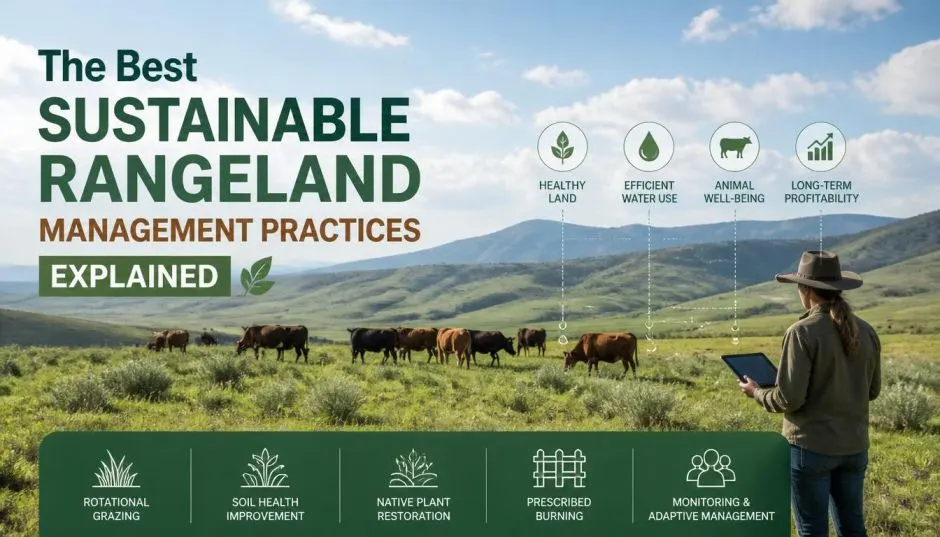
I remember driving through the American West a few years ago and noticing the vast, open landscapes. They call it range. It is not a forest. Not a farm. It is rangeland. Grasslands, shrublands, deserts, and tundra where livestock and wildlife graze.
I spoke to a rancher in Arizona, and he told me something I had not considered. Good range management is not just about animals. It is about the whole system. The soil. The water. The plants. The wildlife. Everything is connected.
This guide is about sustainable rangeland management practices. What they are. Why they matter. And how they are applied in real life.
What Is Rangeland Management?
Let us define this clearly. Rangeland management is the science and art of caring for rangelands. These are the grasslands, shrublands, woodlands, and savannas that cover nearly half of the Earth's land surface. The goal is simple. Keep these lands healthy, productive, and resilient for future generations.
Read Also: Vertical Farming Water Reduction Case Study Stats
Rangelands are not the same as pastures. Pastures are cultivated. People plant and fertilize them. Rangelands grow native vegetation. They are not plowed, fertilized, or irrigated. They are managed through grazing and fire rather than intensive agriculture.
Range management brings together science and local knowledge. It involves monitoring vegetation, managing grazing systems, controlling invasive species, and protecting soil and water resources.
Why Sustainable Rangeland Management Matters?
Rangelands are big. They cover about 54% of the Earth's land surface. They provide roughly 70% of the world's forage for grazing animals. They support the livelihoods of around 500 million people. They are also major carbon sinks and biodiversity reservoirs.
Here is the problem. Rangelands are shrinking. Nearly half of their original area has been lost to conversion, development, and fragmentation. Only 12% of rangelands receive formal protection. That leaves countless species unprotected.
The United Nations has designated 2026 as the International Year of Rangelands and Pastoralists. That is a big deal. It means governments are being called upon to invest in sustainable rangeland management and restore degraded lands.
Key Sustainable Rangeland Management Practices
Let me walk you through the main practices that work.
Grazing Management
This is the cornerstone of rangeland management. How you manage grazing affects everything. Plant health. Soil health. Animal production. Water quality.
You Must Also Like: Environmental Science and Climate Change Solutions
Continuous season-long grazing is the simplest system. Animals stay in one pasture for the entire grazing season. It works well on homogeneous rangeland areas. It is easy for the manager. But it can lead to overgrazing in some spots and underuse in others.
Rotational grazing uses two or more pastures. Animals are moved between them. This allows for concentrating use and gives pastures time to recover. It is common worldwide.
Deferred rotation grazing changes the order of grazing each year. That reduces the chance of grazing the same pasture at the same time every year. It helps vegetation that is less tolerant of defoliation.
Rest rotation grazing rests one pasture each year. This is used on arid and semi-arid rangelands. It helps reestablish perennial grasses. Good for poor condition rangelands.
Deferred rest rotation grazing combines both approaches. The order of grazing and rest changes each year. This is also used in arid and semi-arid areas.
High intensity low frequency grazing puts many animals on a pasture for a short time, followed by a long rest. It works best in areas with moderate to high precipitation. It allows for vegetation regrowth.
Intensive early stocking uses higher-density grazing early in the growing season. It is used in the tallgrass prairie and mixed-grass prairie. It optimizes weight gains when vegetation quality is at its peak.
Virtual Fencing
This is new technology. It is exciting. Virtual fence (VF) uses GPS and GIS data to create invisible barriers. Livestock wear devices. The devices deliver auditory and electrical cues. The system can contain livestock within a desired area and move them through a grazing rotation.
I read about a study on the Santa Rita Experimental Range in Arizona. Researchers tested virtual fence on a working ranch. They wanted to see if it could confine livestock to a specific area and restrict access to sensitive habitat. The results were promising. VF has potential as a tool for sustainable grazing systems.
The advantages are clear. You can adjust fences in real time. You can protect riparian areas. You can manage post-fire vegetation recovery. You do not need physical fences. Barbed wire is expensive and labor-intensive. It disrupts landscape connectivity. VF offers flexibility.
Prescribed Burning
Fire is a natural part of many rangeland ecosystems. It reduces woody plants and promotes herbaceous plants. Prescribed burning is a management tool. It can improve forage quality. It can reduce fuel loads and prevent catastrophic fires. It can control invasive species.
The Ngorongoro Conservation Area Authority in Tanzania uses prescribed burning as part of its range management. They also mow and uproot invasive plant species. These practices ensure a sustained yield of rangeland products. They maintain ecological balance.
Invasive Plant Management
Invasive species are a major threat to rangelands. They outcompete native vegetation. They reduce forage for livestock and wildlife. They cost money to manage.
The Ngorongoro Conservation Area is a biodiversity hotspot. Invasive species have been a big challenge there . The authority removes invasive species and weeds. They replant disturbed areas. They reintroduce native species. They establish no-go zones in sensitive areas.
Rangeland Restoration
Degraded rangelands need to be restored. This can involve reforestation, soil conservation, and community engagement. In Tanzania, restoration is conducted in areas adjacent to the Ngorongoro Conservation Area. Wildlife corridors are degraded by human overuse. Tree planting and conservation education are part of the solution.
The Role of Pastoralism
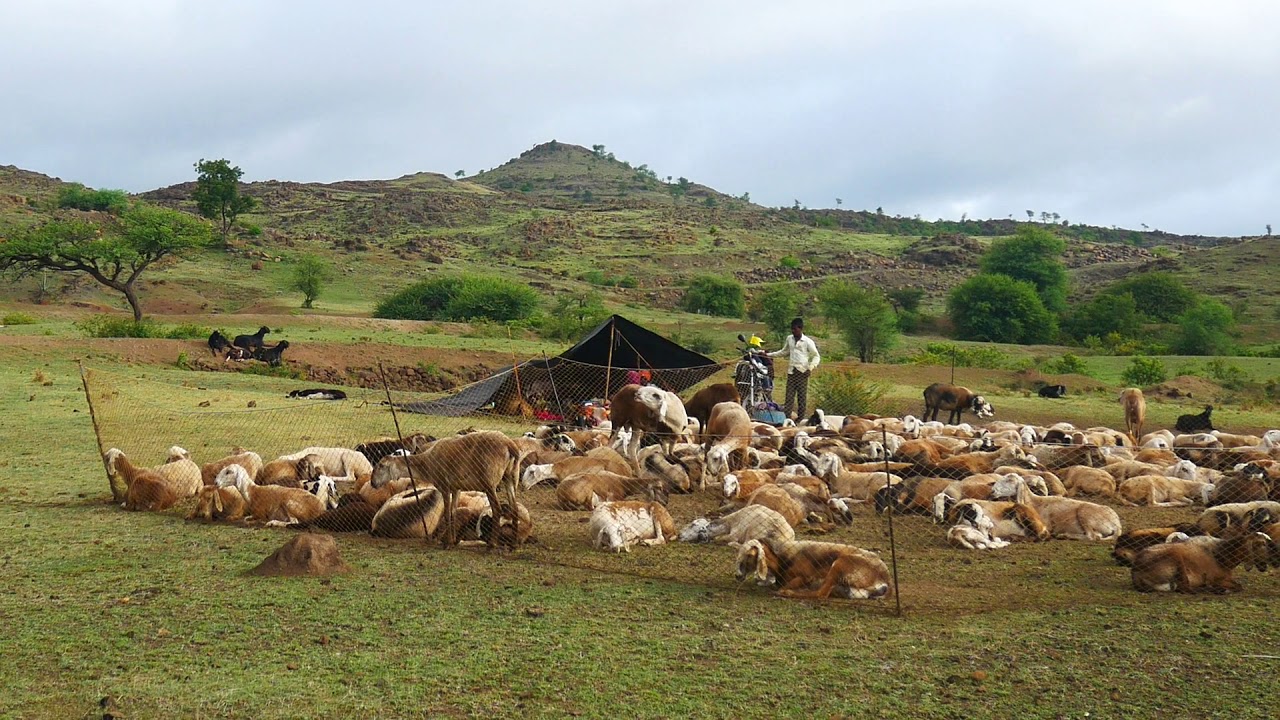
Pastoralism is the traditional practice of herding livestock on rangelands. It has been practiced for millennia. More than two billion people depend on pastoralist livelihoods, value chains, and foods.
Pastoralism is not the problem. It is part of the solution. Pastoralists provide essential ecosystem services. They enrich soils. They capture carbon. They disperse seeds. They conserve biodiversity.
A recent analysis in the journal BioScience argues that traditional livestock grazing represents a crucial strategy for protecting global biodiversity. Sixty-seven percent of biodiversity hotspots and 38% of key biodiversity areas globally include rangelands . The authors call for reshaping conservation narratives. Pastoralists are assets, not threats.
What Is Rangeland Management in Agriculture?
In agriculture, rangeland management is about balancing livestock production with ecosystem health. It is about optimizing the returns from rangelands through the manipulation of range ecosystems.
It involves protecting and enhancing the soil and vegetation complex. It also involves maintaining the output of consumable range products. There are two basic types of rangeland in agriculture.
Natural rangeland grows native grasses and legumes. No one planted them. The soil is often low in fertility. The quality of the forage is variable.
Artificial rangeland is established by humans. It is also called sown pasture. Grasses and legumes are cultivated and managed. The quality is higher. There are fewer weeds.
Common Mistakes in Rangeland Management
I have seen these mistakes on farms and ranches. They are worth avoiding.
Overstocking is the number one factor in rangeland degradation. Putting too many animals on the land destroys vegetation. It causes soil erosion. It ruins water quality.
Ignoring proper season of use is another problem. Grazing at the wrong time damages plants. Cool-season grasses are different from warm-season grasses. You need to know what you have.
Poor distribution of animals leads to uneven grazing. Some areas are overused. Others are underused. That hurts both the land and the animals.
Neglecting invasive species allows them to take over. Once they are established, they are hard to remove. Prevention is better than cure.
The Future of Rangeland Management
The future looks promising. The International Year of Rangelands and Pastoralists is a turning point. Governments are paying more attention. Funding is increasing. Technology like virtual fencing is making management easier.
But challenges remain. Rangelands are undervalued in national economies. They are often overlooked in international environmental frameworks. More work is needed on policy, governance, and finance.
The key is to move beyond narrow approaches. We need people-centred, community-based strategies. We need to secure rights and mobility for pastoralists. We need to support value chains and ecosystem services.
The Final Thoughts
Sustainable rangeland management is about balance. It is about using the land without destroying it. It is about supporting livelihoods while protecting biodiversity. It is about blending traditional knowledge with modern science.
If you manage rangeland, start with the basics. Monitor your vegetation. Manage your grazing. Control invasive species. Protect your soil and water. And remember, every rangeland is unique. What works in Texas may not work in Tanzania.
The UN has declared 2026 the International Year of Rangelands and Pastoralists. That is an opportunity. Learn about these landscapes. Support sustainable practices. And appreciate the people who steward them. They are doing important work.