
I have been watching space weather news for years. It always felt like a distant problem. Something for scientists to worry about. Then I read about the DAPHNE mission. Suddenly, it felt personal. GPS, satellite TV, and even astronaut safety depend on understanding space weather.
NASA just gave the green light to DAPHNE. This mission could change how we predict space weather. I want to explain what it is, why it matters, and what it means for you.
What Is the DAPHNE Mission?
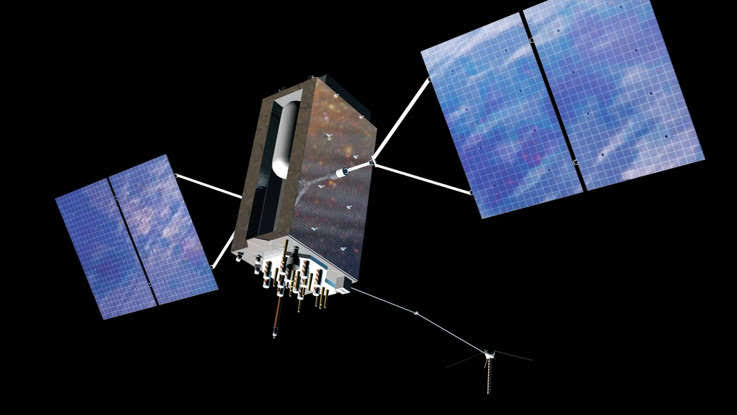
DAPHNE stands for Dynamic Atmosphere-Ionosphere Explorer. It is a NASA mission to study how Earth's lower atmosphere affects the upper atmosphere. That upper layer is where space weather happens.
Read Also: Full Moon Flower Moon 2026: Meaning, Date And Significance
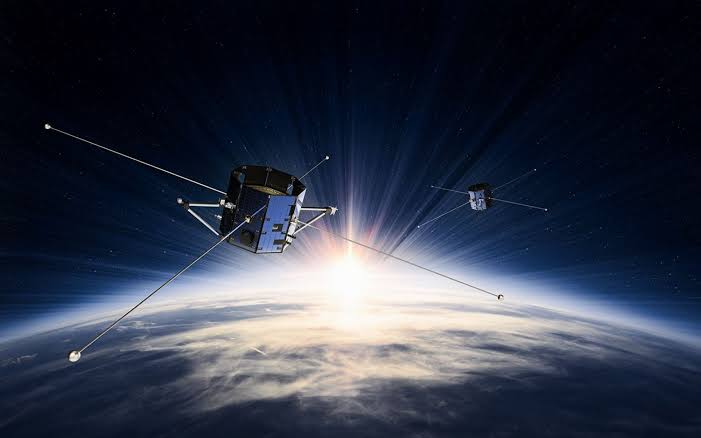
The mission uses two identical satellites. They will fly in tandem. They will measure neutral winds, temperature, and composition in the thermosphere. This is the region where our atmosphere transitions into space.
NASA describes DAPHNE as a "low-risk, high-return" mission. It builds on existing technology. But it addresses a massive gap in our understanding.
Why Does This Matter?
Here is the problem. Space weather can knock out GPS signals. It can disrupt satellite communications. It can even endanger astronauts. We have known this for decades.
But there is a gap in our knowledge. Scientists understand how solar activity affects space weather. But they do not fully understand how Earth's lower atmosphere influences the upper atmosphere.
Aimee Merkel is the principal investigator for DAPHNE. She works at the University of Colorado's Laboratory for Atmospheric and Space Physics. She says DAPHNE will "fill this major gap in scientific understanding".
Nicky Fox is NASA's associate administrator for science. She says the mission will "help mission planners predict and mitigate the effects of space weather". This is not just about science. It is about protecting technology we rely on every day.
The Problem with Current Predictions
Right now, space weather predictions are not great. Models are based on solar activity. They do not incorporate much data from Earth's atmosphere.
You Must Also Like: Orion Stays the Course: Artemis II Hits Flight Day 5 Milestone as U.S. Horizons Expand
This matters because the lower atmosphere influences the upper atmosphere all the time. Weather systems, temperature changes, and wind patterns all have effects. These effects can amplify or dampen space weather events.
Without this data, predictions are incomplete. We can see a solar flare coming. But we cannot always predict how it will affect GPS or satellites. DAPHNE aims to fix that.
How DAPHNE Will Work?
The mission has a clear design. Two identical satellites will fly in formation. They will take coordinated measurements of the thermosphere and ionosphere.
These regions are where the neutral atmosphere becomes ionized plasma. This is the boundary between Earth and space. It is constantly moving. It is shaped by solar activity and changes in the lower atmosphere.
DAPHNE will measure three key things:
-
Neutral winds
-
Temperature
-
Atmospheric composition
These measurements will be combined with data from the lower atmosphere. This will create more accurate predictive models.
The Timeline and Budget
This is not a quick project. NASA has a clear roadmap.
Phase B: The mission has just entered Phase B. This includes planning and design for flight and mission operations.
Confirmation Review: There will be a review in 2027. NASA will assess progress and funding availability.
Launch: If confirmed, the launch will be no earlier than 2029.
Budget: The total cost is capped at $250 million, excluding launch.
What This Means for You?
Space weather sounds like a niche concern. But it affects your daily life.
GPS: Space weather can degrade GPS signals. This affects navigation, ride-hailing, and even banking. Accurate predictions help prevent disruptions.
Satellites: Solar storms can disrupt satellite communications. This affects internet, TV, and weather forecasting. Better predictions mean fewer outages.
Astronauts: Future missions to the Moon and Mars will face space weather without Earth's magnetic protection. DAPHNE will provide data to keep astronauts safe.
Critical Infrastructure: Power grids, aviation, and emergency services rely on satellite data. Space weather can disrupt all of them. Accurate predictions reduce risk.
What the Experts Say?
Nicky Fox put it well: "As NASA sends astronauts beyond Earth's magnetic protection to the Moon, Mars and beyond, DAPHNE will join the NASA science fleet strategically located across the solar system to provide data that will help mission planners predict and mitigate the effects of space weather for the benefit of all".
She also called it part of advancing the United States' leadership as a "space weather-ready nation".
My Take
I think DAPHNE is overdue. We have known about space weather for decades. But we have not invested enough in predicting it.
The GPS system is critical. Satellite communications are essential. Astronaut safety is non-negotiable. Understanding space weather is not optional. It is a requirement for modern life.
The $250 million price tag is not cheap. But compared to the cost of a GPS outage or a satellite failure, it is a bargain. This is an investment in resilience.
What to Watch For?
The next milestone is the confirmation review in 2027. If that goes well, the launch will be in 2029.
The mission will provide data for the next generation of space weather models. These models will help everyone from satellite operators to emergency planners.
This is not just a NASA mission. It is a step toward making space weather a manageable risk. And that benefits everyone.
Final Thoughts
DAPHNE is not a flashy mission. It does not involve landing on Mars or discovering alien life. But it is important. It addresses a real problem. It will make GPS, satellites, and space travel safer.
NASA has made the right call. DAPHNE is moving forward. Now we wait for 2029. And hope the data helps us predict space weather better.
Because when the next solar storm hits, we will need all the help we can get.