
Do you ever get curious about what's beyond the Milky Way? There are billions of galaxies, each with suns, planets, and moons. But how can we get close enough to truly see what's there? As a space enthusiast, I love learning about the planets within our solar system.
Becoming an astronaut excites me. I complete the tough training. Then, I can experience weightlessness and the thrill of no gravity. Growing up, I read a lot of sci-fi novels, and it made me realize that aliens don't need to be scary.
They are other beings coming from another planet. With evolving technology, if we will be able to find communication methods with other planets even before we can get there.
Is Earth Truly Unique? Exploring Space

This way, even those who can't travel in space can learn and connect with beings from other planets. Going to space isn't a dream for me. I want everyone to feel that wonder, even from home on Earth.
Related Article: NASA Readies Artemis II for Upcoming Fueling Test
I hope we can one day talk to other beings. They will share how their world works. It could help us here on Earth. Now, the harder part will be to translate whatever language they are speaking. The Earth has many unique traits, but its water and oxygen are the most important.
The Earth has water that covers approximately 71% of its surface, with the majority of this water found in the oceans that exist on the planet. Plants produce approximately 20% of the oxygen that makes up Earth's atmosphere. Earth rotates around the sun.
It also spins on its axis, which runs from the North Pole to the South Pole and passes through the planet's center. The Earth requires 23.934 hours to complete one full axial rotation and 365.26 days to finish its solar orbit. Our timekeeping on Earth comes from these rotations. They shape our daily and yearly cycles.
Earth tilts its axis of rotation in relation to the ecliptic plane, an imaginary surface through the planet's orbit around the sun. The Northern and Southern Hemispheres tilt toward or away from the sun at different times of the year. This affects how much light each hemisphere gets, which leads to the changing seasons.
What Sets Earth Apart From Other Planets in the Solar System?
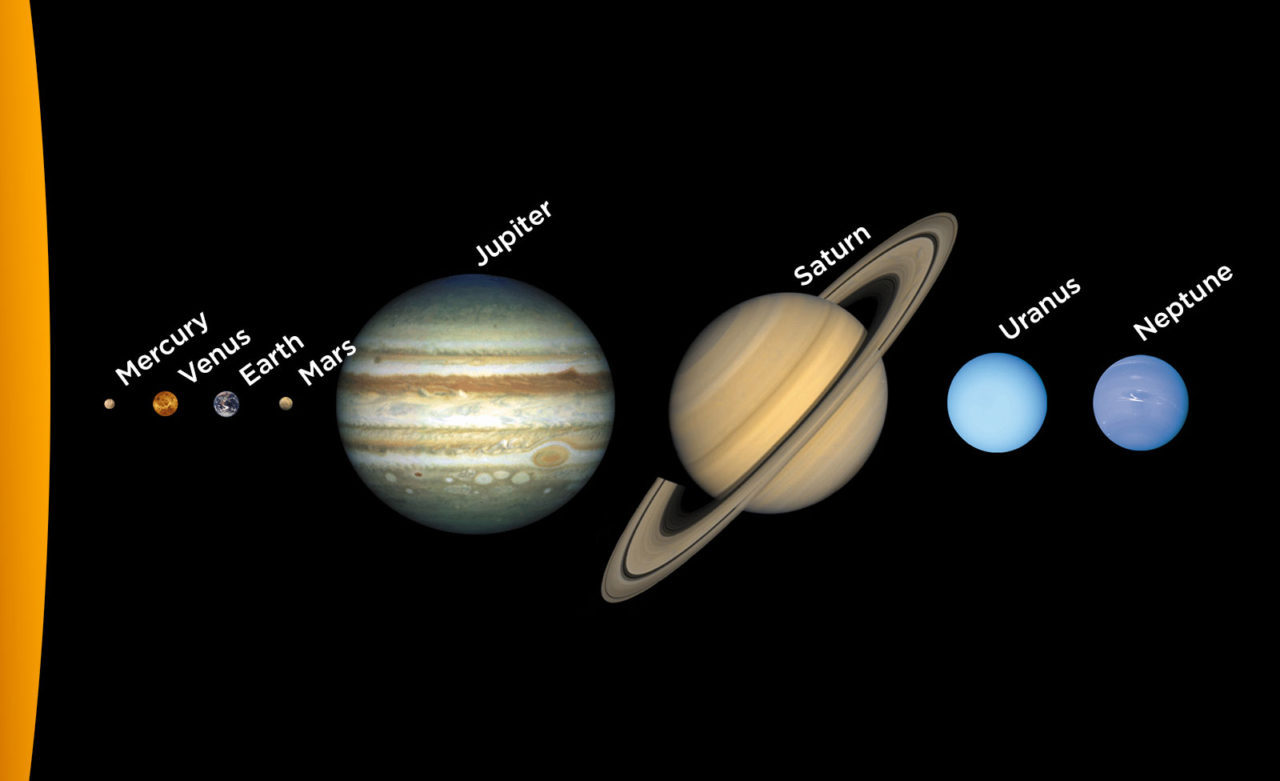
So far, Earth is the only planet we know that hosts life. It's also the only one in the Solar System with liquid water on its surface. Earth is the only planet in our Solar System with active plate tectonics.
Read Also: NASA Shares Progress on National Space Policy Implementation
These tectonic plates split the surface into rigid sections. They move together and pull apart, causing earthquakes, mountain formation, and volcanic activity. Earth's submarine plate boundaries have volcanic activity. Scientists think these spots could be where life first began.
What Makes Our Planet Uniquely Suitable to Host Life?
The Earth is at the right distance from the Sun. This distance lets liquid water exist in large amounts for most of its history. The planet has key chemicals for life, like water and carbon. Its geology includes volcanic activity and ocean systems. These create important energy resources for life.
Complex life evolved due to two main factors: an oxygen-rich atmosphere and a magnetic field. The atmosphere gives us the oxygen we need to live. The magnetic field protects Earth from harmful solar radiation.
How Many Planets in the Milky Way Could Have Conditions Like Earth?
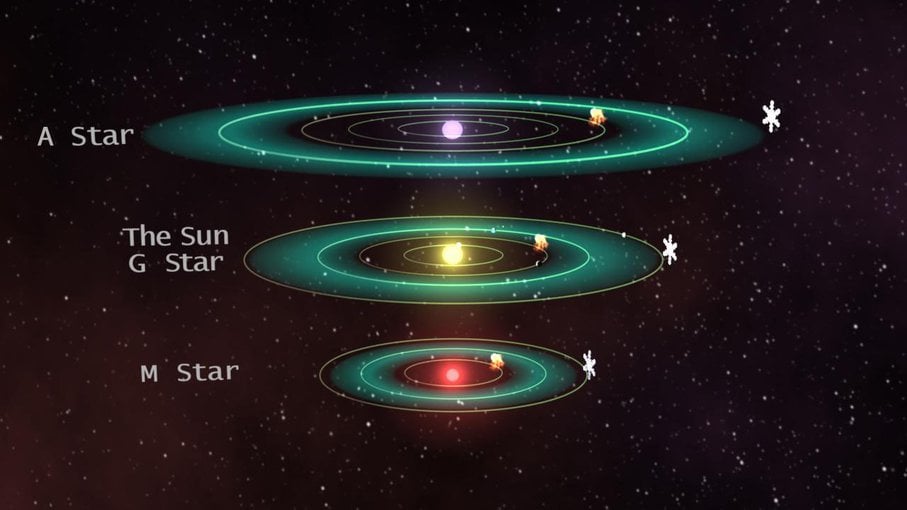
Scientists estimated that 1 in 5 stars like our sun has one Earth-like planet orbiting around them, which may support life. The Milky Way has over 200 billion stars. This means there are about 40 billion planets in the galaxy that might support life.
Why Is It Vital to Preserve Our Planet?
Earth observation from space provides ample coverage across both space and time. The same space sensor collects data from locations worldwide. This includes areas that are too remote or hard to reach for ground data collection.
Long-term use of Earth observation satellites lets scientists see slow environmental changes. Archived satellite data show that rainforests are still being cut down. Sea levels rise about 2 mm each year, and pollution levels in the air are going up.
The scientific evidence of global climate change is irrefutable. Climate warming affects many areas. It affects freshwater resources, food production worldwide, sea levels, and extreme weather.
Scientists and decision-makers need reliable data. This helps them understand how climate change affects our planet. With this information, they can create solutions for the environmental crisis.