

Astronauts regulate body temperature in space through a mix of engineered systems and their own biology. The International Space Station's thermal control system keeps cabin temperatures stable.
Spacesuits use liquid cooling garments. And the human body adapts—sometimes poorly—to microgravity. I've spent years following space physiology research. The picture that emerges is fascinating and a bit unsettling.
Astronauts don't simply "feel cold" in space. The vacuum of space is an insulator, not a freezer. Without air to conduct heat away, an unprotected body would actually overheat. The real challenge is managing the heat the body produces.
How Do Astronauts Control Body Temperature in Space?
The ISS: A Giant Air Conditioner
The International Space Station orbits Earth every 90 minutes. It swings between sunlight and shadow, experiencing massive temperature shifts. The station's exterior endures extremes that would destroy most electronics.
Read Also: NASA Webb Telescope Exposes Hidden Planet in Iconic Star System
Inside, astronauts stay comfortable. The Internal Thermal Control System (ITCS) circulates water through cold plates and heat exchangers. This water collects heat from cabin air, experiments, and equipment.
The warm water then transfers its heat to an external ammonia loop. That loop radiates the heat into space.
The system works like a building's air conditioning. But the stakes are higher. When cooling fails on the ISS, every system—power, computers, life support—faces jeopardy. Only materials already in space can be used for repairs.
For astronauts inside the station, thermal comfort comes from this system. They wear regular clothes. JAXA notes that ISS pressure and temperature are maintained at comfortable levels, allowing astronauts to dress like they would on Earth .
The Spacesuit Problem: You Can't Sweat in a Vacuum
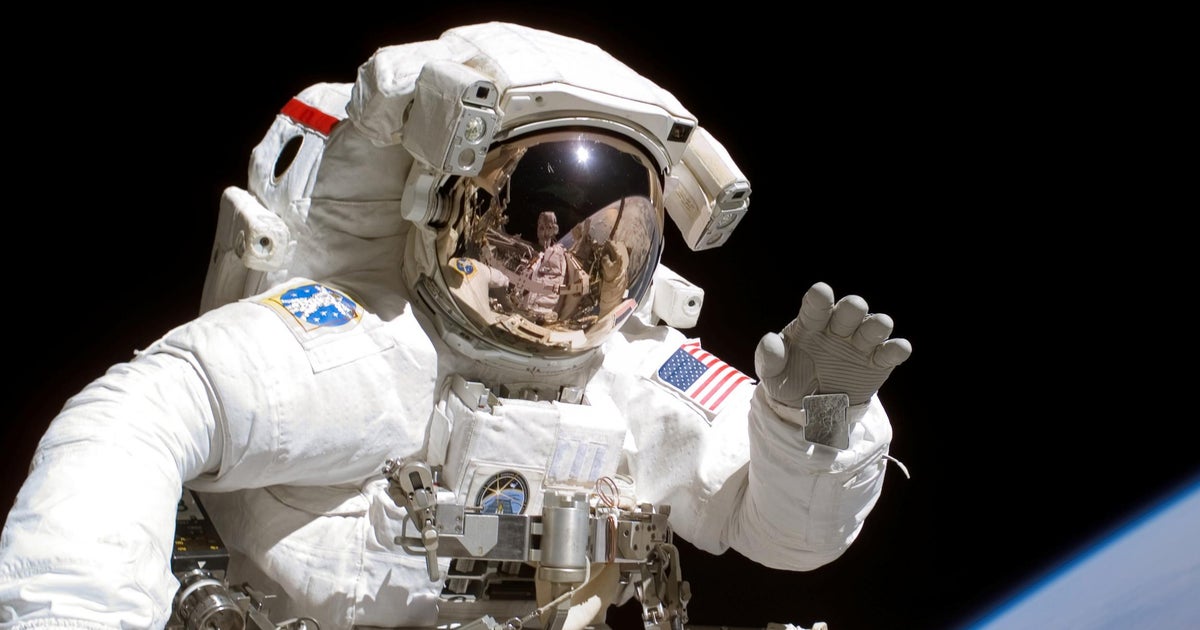
Spacewalks are different. Outside the station, astronauts generate enormous heat. Exercise on the ISS already produces high metabolic rates. Peak energy expenditure during extravehicular activity reaches 500 kcal per hour, with average rates of 200-250 kcal per hour.
During exercise, about 80% of cellular energy converts to heat. The body needs to shed that heat. On Earth, sweat evaporates and cools the skin. In a sealed spacesuit, that doesn't work.
The solution: a Liquid Cooling and Ventilation Garment (LCVG). Astronauts wear this body-hugging suit underneath the outer spacesuit .
A network of tubes circulates cold water across the body's major muscle groups. The water absorbs metabolic heat and carries it to the suit's portable life-support system, where it's expelled into space.
The LCVG also handles ventilation. A separate loop of tubes delivers fresh oxygen across the astronaut's face. This washes away exhaled carbon dioxide before it recirculates through a CO2 scrubber.
Prada and Axiom Space unveiled an updated LCVG in June 2026 for NASA's Artemis lunar missions. The new design weaves cooling channels directly into the fabric structure rather than threading tubes through mesh—a manufacturing advance drawing on Prada's knitting expertise. The garment includes a fully redundant cooling circuit as backup.
Do Astronauts Feel Cold in Space?
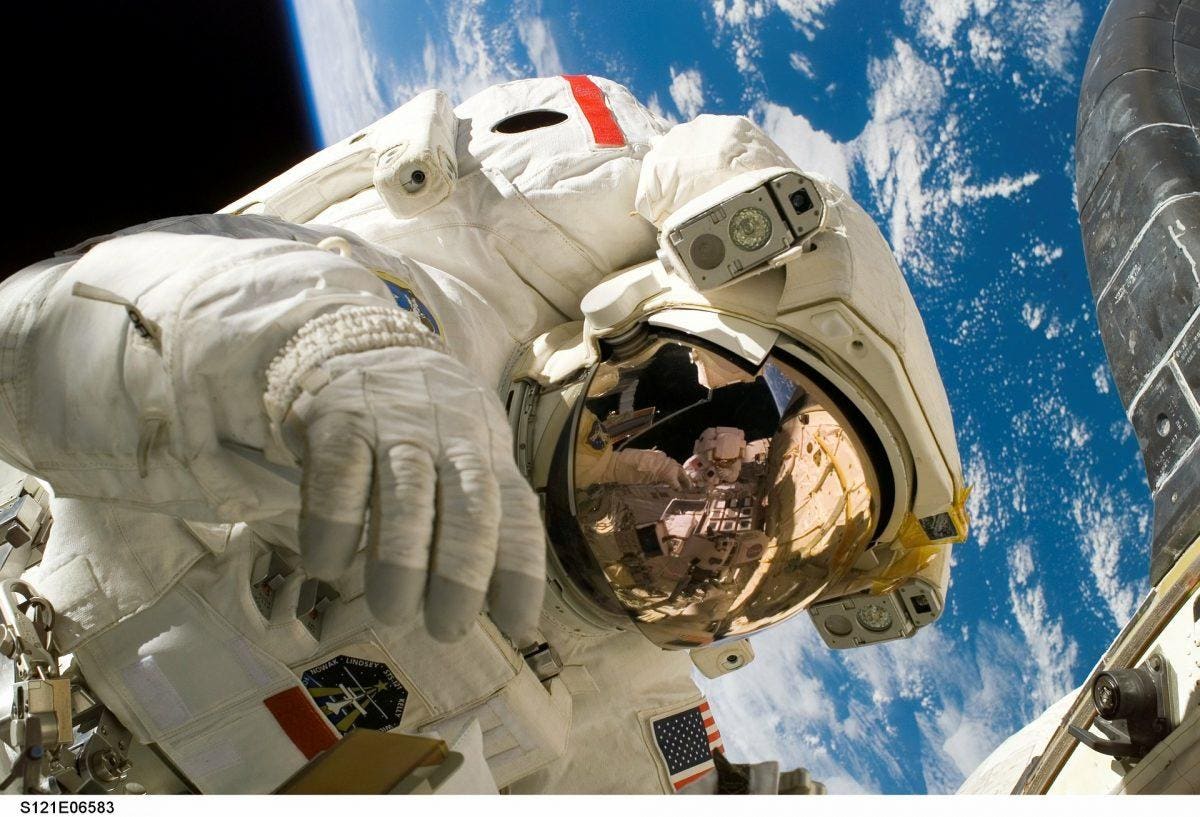
The short answer: not usually, but sometimes. The longer answer involves some surprising physiology.
You Must Also Like: Viral Space View: NASA Drops Mind-Blowing Photo of the Milky Way Taken from the ISS
Research shows that astronauts' core body temperature actually rises during long-duration spaceflight. A 2026 systematic review found that prolonged missions elevate core body temperature. This seems counterintuitive. Why would body temperature increase in a cold environment?
The answer involves several factors. Microgravity disrupts circadian rhythms, which affect temperature regulation. Sweating responses change. Evaporative cooling becomes less efficient. The body's thermostat gets confused.
One study noted that central Y2 receptor activation could cause elevated core body temperature and decreased appetite in astronauts. The physiological changes from spaceflight don't follow the simple "space is cold" logic.
So astronauts don't typically complain about feeling cold. If anything, the research suggests their bodies run warmer than normal.
Why Heat Management Matters for Mission Success?
Core body temperature elevation isn't just uncomfortable. It affects performance.
Research on hyperthermia shows cognitive decline begins at surprisingly low temperature increases. A 1°C rise in core temperature produced a 12% loss in reaction times and a 28% drop in response accuracy. Working memory suffers at core temperatures around 39°C.
This matters for astronauts performing complex tasks. Cognitive flexibility—the ability to adapt to changing situations—may be most vulnerable to heat stress. Future missions to Mars or the lunar surface will demand peak cognitive performance in challenging thermal environments.
A 2026 study noted that impaired thermoregulation correlates with cognitive dysfunction, diminished physical performance, and impaired psychological resilience. Tasks with high cognitive load suffer most. Managing body temperature isn't just about comfort. It's about mission safety.
The Future: Artemis and Beyond
NASA's Artemis missions will push thermal management to new limits. The lunar South Pole features terrain that alternates between direct sunlight and deep shadow. Temperature swings exceed 400 degrees Fahrenheit.
The Prada-Axiom LCVG is designed for up to eight-hour spacewalks in these conditions. The redundancy in the cooling system acknowledges that failure isn't an option. If the primary loop fails, a backup keeps the astronaut alive.
China's space program uses similar technology. The Feitian spacesuit includes liquid cooling garments circulating water through tubes sewn into the fabric. The suit weighs 120 kilograms and supports temperature control, pressure adjustment, and oxygen supply.
A Personal Observation
What strikes me most is how the human body fails in space. We evolved for gravity and atmospheric pressure. Remove those constants, and thermoregulation goes haywire. Core temperature rises. Sweating becomes inefficient. Circadian rhythms break.
The engineering solutions—ISS thermal loops, liquid cooling garments—are impressive. But they're workarounds for biology that doesn't quite fit the environment. The fact that astronauts can live and work in space at all is a testament to both human adaptability and clever engineering.
The Final Thoughts
Astronauts regulate body temperature through three layers of protection. The ISS thermal control system keeps the cabin comfortable. The LCVG manages heat during spacewalks. And the body itself adapts, though not always perfectly.
Do astronauts feel cold in space? Rarely. The vacuum of space doesn't chill you the way a winter wind does. The real problem is getting rid of excess heat. The systems that accomplish this are essential for both comfort and cognitive performance. Without them, long-duration missions wouldn't be possible.